
Sustainability at Ardmore
Real-world sustainability — powered by sunshine, backed by practical planning, and rooted in the way a working farm should operate.
Latest Solar Production Reading
This page is built around our live solar production display. You’ll be able to see what Ardmore is generating right now, updated automatically via Deye Cloud.
102.2kW
Power from the sun right now (kW)
327kWh
What we’ve harvested from the sun today(kWh – Eskom Unit)
11:26am
Last checked at
South African summer sun does NOT mess around.
Right now we’re running:
238 × solar panels installed (158 × 575W + 80 × 625W)
≈ 141 kWp DC installed (140.85 kWp)
Estimated real-world peaks of up to ~147 kW on clear summer days
Lights stay on. Simple as that.
We’re building resilience so your stay isn’t at the mercy of the grid.
- Backup generator: 68 kVA
- Should we suffer an outage we are golden.
Note: The solar system is the primary supply during daylight; backup is there for reliability when it’s needed.
Charge here for free — just bring your own charger.
If you drive an EV / PHEV / HEV (whatever your flavour), you’re welcome to top up while you’re here.
- No dedicated EV charger on-site yet
- Bring your own portable charger
- We won’t charge you for electricity usage
Smart note: Charging is subject to plug availability and safe loading. Let us know in advance so we can point you to the best spot.
No municipal water. Just mountain and earth doing their job.
Our water comes from the sky, filters down through the land, and we draw it from a natural borehole around 120m deep. So the water you get at Ardmore isn’t “municipal water with a view” — it’s clean, fresh farm water the way it should be.
And it’s not just for sipping: our guests drink it, our animals drink it, you shower in it, and at Ardmore you even swim in it.
- Natural borehole: ±120m deep
- No municipal water used on-site for your drinking water
- The same farm water runs through the whole experience — glass, shower, animals, and pool
Solar + solar geysers + forests = a seriously low footprint.
We offset a meaningful portion of our operational footprint through a combination of clean energy and land stewardship.
- ≈ 70 hectares of forests on the property
- Solar production (live-tracked) and solar geysers reducing grid dependence
Important: “Carbon negative” depends on where you draw the boundaries (and farming has its own emissions). We’re confident we’re extremely carbon-efficient, and we’re working toward a clear, transparent net-footprint snapshot we can stand behind.
Less trucking. More picking.
We grow as many of our own veggies and herbs as possible, and we’ve built up a solid orchard footprint too.
- ≈ 1.5 hectares of fruit trees: lemon, orange, fig, peach, apple, pomegranate, plum
- Kitchen uses seasonal produce wherever possible
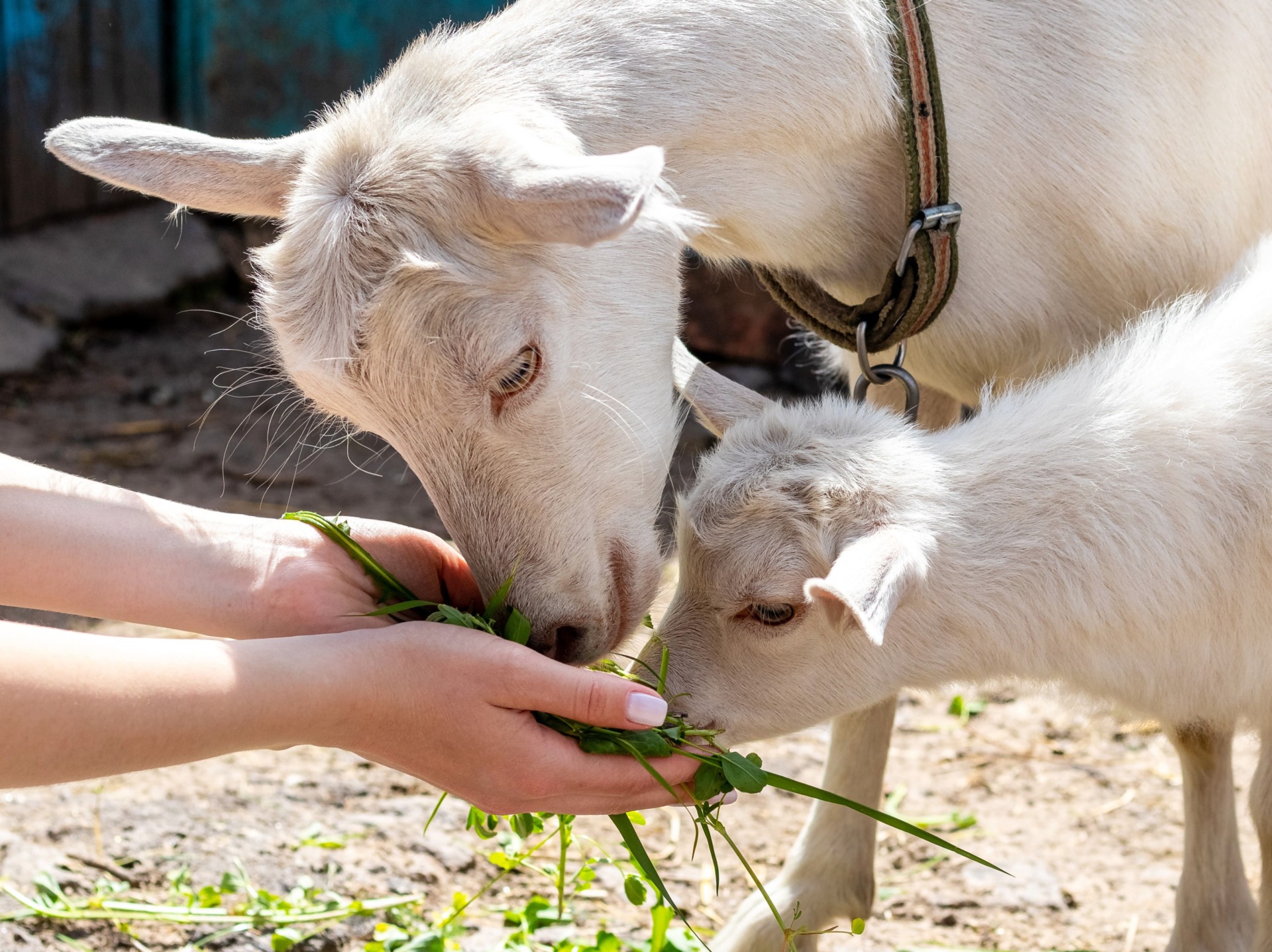
Waste doesn’t belong in a bin if it can feed a goat.
Our kitchen scraps are fed to our on-site animals — including goats and geese — which keeps waste down and keeps the farm ecosystem doing what it’s meant to do.
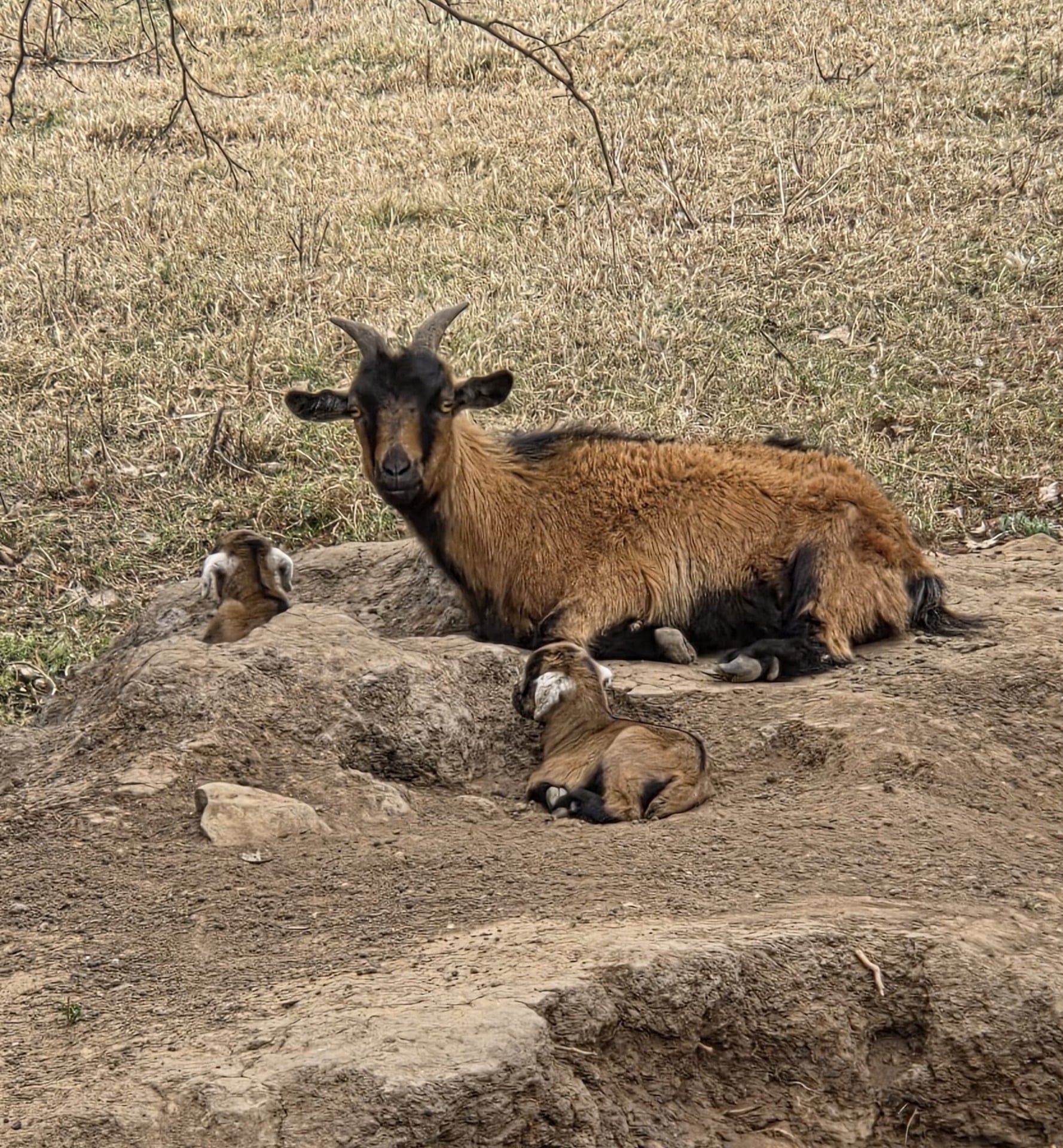
Grass-fed, no-nonsense, farm-to-table.
We raise our own cattle and sheep on grass — and when it’s on the menu, it’s the real deal: farm to table, no middlemen, no mystery.
Yes, it tastes better. That’s the point.
Want to see it in action?
Come stay, eat, explore — and watch the solar numbers climb in real time.
info@ardmore.co.za
036 468 1164
076 267 0969